
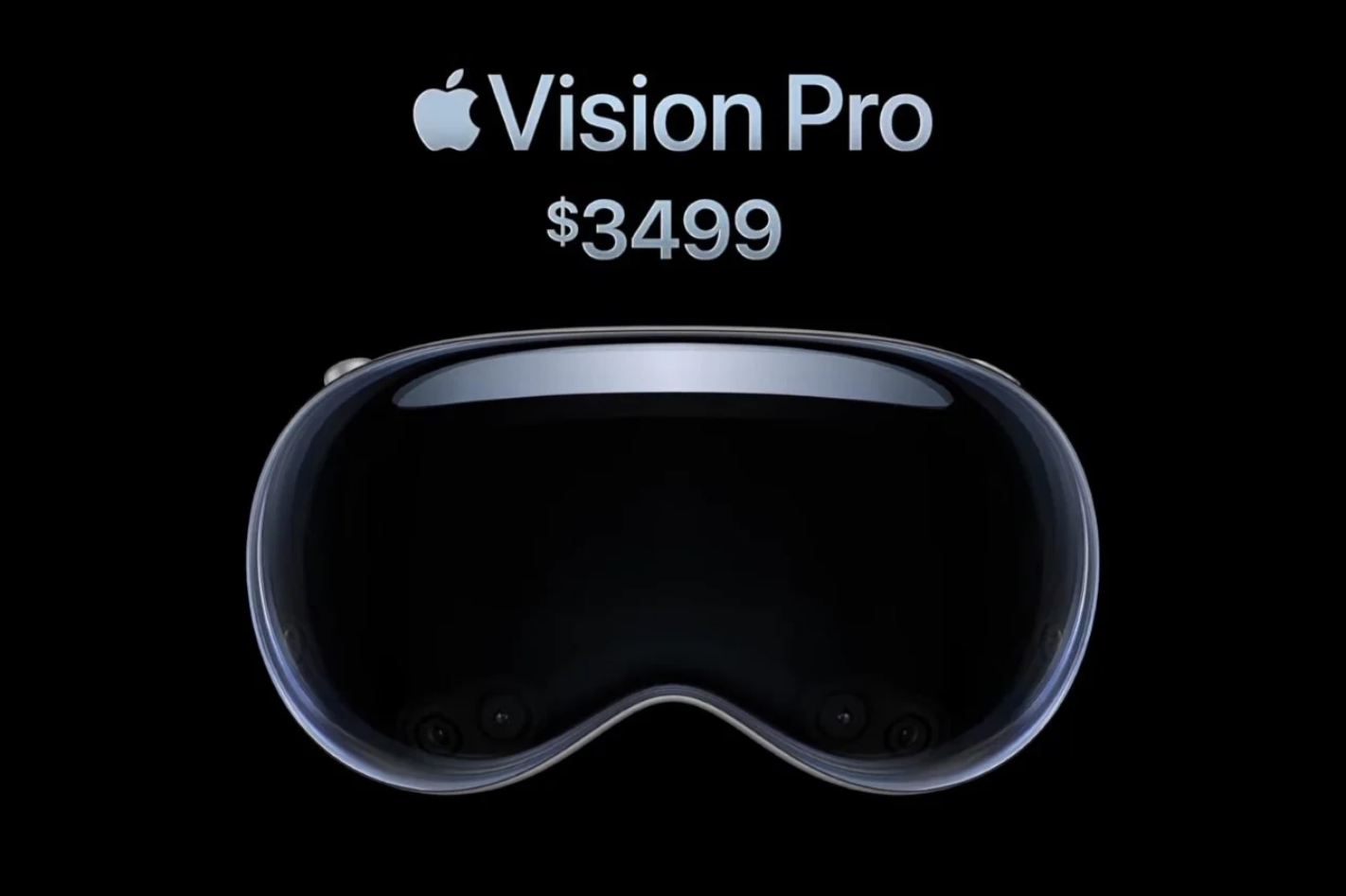
It has been more than 15 years since I last dived into the topic of Apple and its design strategy or lack thereof on this blog. There were brief mentions in 2011 – when Steve Jobs announced his retirement, and then again in 2015 when the global smartphone industry transformed itself as a function of the changes in ownership and usership across the globe. Yet, here and now, in 2023, I find myself moved to add my 2 cents worth to the discourse on Apple within hours of its first new hardware launch in 8 years.
Under Steve Jobs, Apple’s product development strategy had a two point parallel program – every 4 years or so there would be a “big” announcement, usually at the category breaking level, think iPhone or iPod for example. And, each year, in between, there would be more incremental and iterative improvements to the product lines already in the market.
This cyclical pattern was disrupted by the loss of Steve Jobs – a man who undeniably had the capacity to weave together multiple strands of knowledge and input across disciplinary boundaries in order to holistically envision market breaking products.
8 years is not only too long but current operating conditions are not well suited to what is essentially a self-centered product that increases your isolation and diminishes your social capacities and skills while insulating you from the rest of the world.
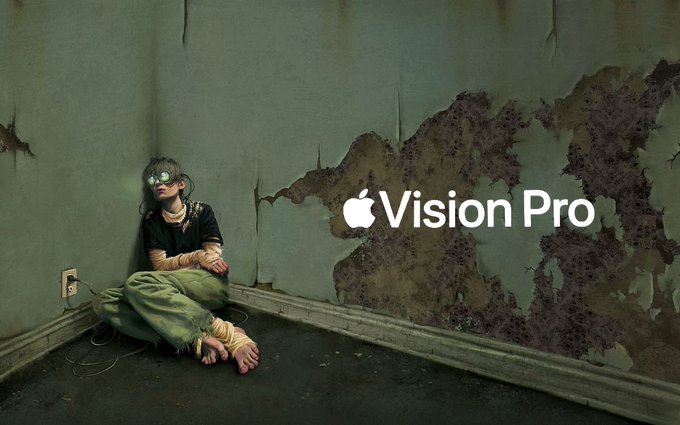
In today’s social media world – and, from all reports, VR headsets do not support social interaction well – is this the message that the memes inform us that Apple wants to send? We’re looking for radical hope; not dystopian visions of a lonely life lived enraptured within our own little hyper-reality bubble.
One such optimistic movement visible now is that of solarpunk – a resistance to the dystopia controlled by tech giant billionaires of cyberpunk or the romanticized historic fantasies of steampunk. And, that is only one trend, and a youthful one where the market may not have the 3500 USD available to invest in a headset. It can, in isolation, be ignored. It is true Apple has always been in the business of creating its own new markets, not simply responding to the zeitgeist.
However, there are far too many issues in the real world today for any meaningful purpose in life to be found trapped inside a virtual world. When Steve Jobs was in his prime position of design leadership in our world, his artefacts embodied all that design was supposed to do by its very nature and existence – bring into fruition a vision of a future. A future, which one expects, will be better than the past – not one which shows you how to run and hide from the changing climate and the war and the political battles raging across the entire planet (aka “the polycrisis”) – if you have the money, the electricity, and the food pulp squeezy bottle supplies laid in.
Escapism is not something we can afford today. And, authentic design leadership should be about manifesting visions of optimism, of hope, of a livable real world future, in harmony with our natural living environment.
Not this.
A selfish, self-centered, spoilt and entitled product.
For the 1% who have emerged from pandemics and conflicts unscathed.
For a market that has yet to prove its existence.
There are no mentions of its energy consumption, its materials usage, its impact and footprint on the socio-ecological environment, or even its end of life recovery – a gigantic waste of resources for a very small audience. Samsung, for example, has just announced a global challenge for design to answer exactly these questions.
IMO, this device is not so much a signal of Apple’s design fail – in the artefact sense, as FastCompany elaborates – as it is evidence of tone deafness in design leadership and strategy.
Its a failure of vision.
