
Diagnosis Case Study: Alignment of Intent, Actions, and Outcomes for Public Sector ROI
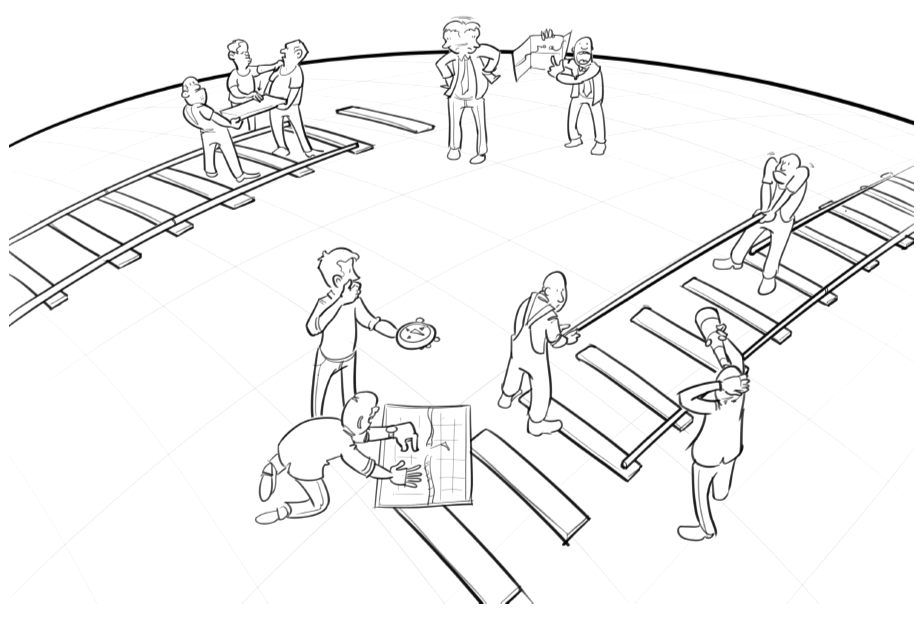
The illustrations and descriptions in this internal diagnostic service case study rely on previously completed work (September to December 2012) for the complex adaptive system that is the Dutch government’s public-private partnerships funding program for sustainable agricultural value chain development. Two ministries are involved – Foreign Affairs and Economy (which includes Agriculture and Food Security). […]
Resilience of informal urban food systems: Does a systems thinking approach make a difference?
Sterk, van de Leemput, and Peeters (2017) help me start off this sensemaking exercise by clearly distinguishing the difference between engineering resilience and ecological resilience with respect to a system. This was useful to establish the direction of exploration for informal urban food systems. Specifically, Sterk et al (2017) state that ‘engineering’ resilience focuses on […]
Sensemaking in extreme conditions for enhancing resilience: Literature Review
Here, I want to explore themes of resilience and sensemaking together in extreme conditions. For now, I have considered the systemic shock of the global pandemic as an increase in volatility, complexity, and uncertainty of operating conditions, from the perspective of the informal urban food system in Nairobi, Kenya. Therefore I have deliberately excluded literature […]
Mobile Money and the Informal Economy: A Paradigm Change
One of the most powerful pieces of data analysis I have come across recently has been the Banque de France’s working paper on the role of financial innovation in the informal economy. In my opinion, the importance of their conclusions are no less than the famous “price of fish” paper of a decade ago – […]
